


News & Events
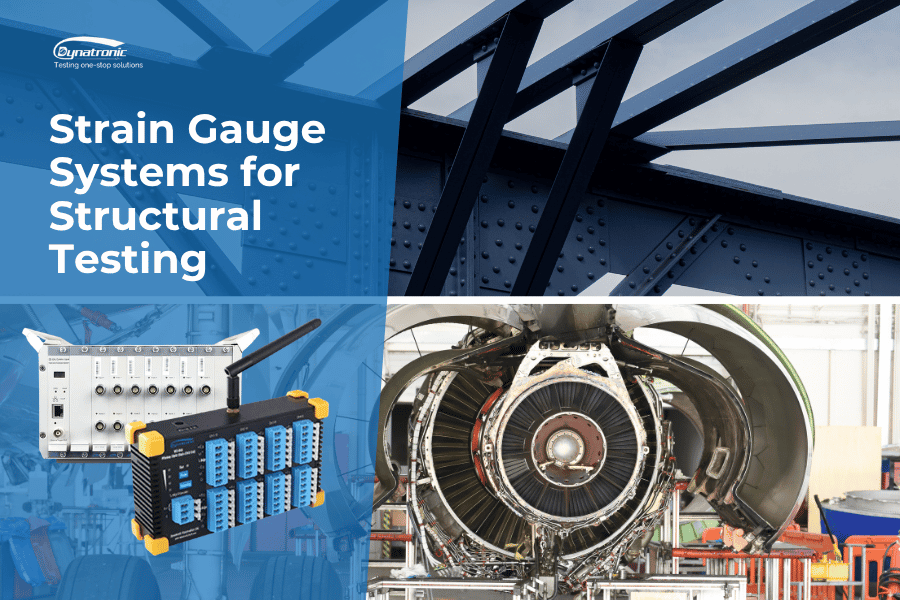
Strain Gauge Systems for Structural Testing
Choosing the right strain gauge measurement system is essential for reliable structural testing. This article explains how engineers can evaluate bridge configuration, channel count, excitation, sampling rate, synchronization, sensor integration, software, and test environment to capture accurate strain data for aerospace, automotive, civil engineering, machinery, and research applications.
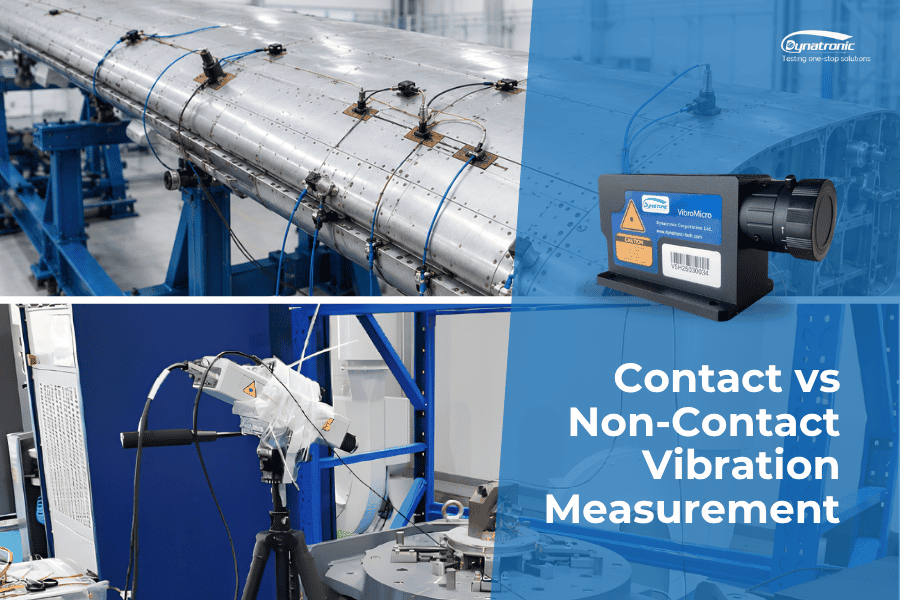
Contact vs Non-Contact Vibration Measurement
Choosing between contact and non-contact vibration measurement depends on the test object, environment, accuracy needs, and risk of sensor influence. This article compares accelerometers and laser Doppler vibrometers, explaining when to use each method, how they can work together, and why non-contact vibration testing is valuable for aerospace, rotating parts, modal analysis, lightweight structures, and hard-to-access components.

How to Choose a DAQ System for Aerospace Testing
Choosing the right DAQ system for aerospace testing is not only about channel count or sampling speed. Engineers must consider synchronization, sensor compatibility, signal quality, rugged performance, and how the system will support real test conditions such as wind tunnel testing, aero-engine vibration measurement, structural strain analysis, and flight-related data acquisition. This guide explains the key factors to evaluate before selecting an aerospace data acquisition system.