
Fiber Optic Temperature Sensors for Harsh Environments
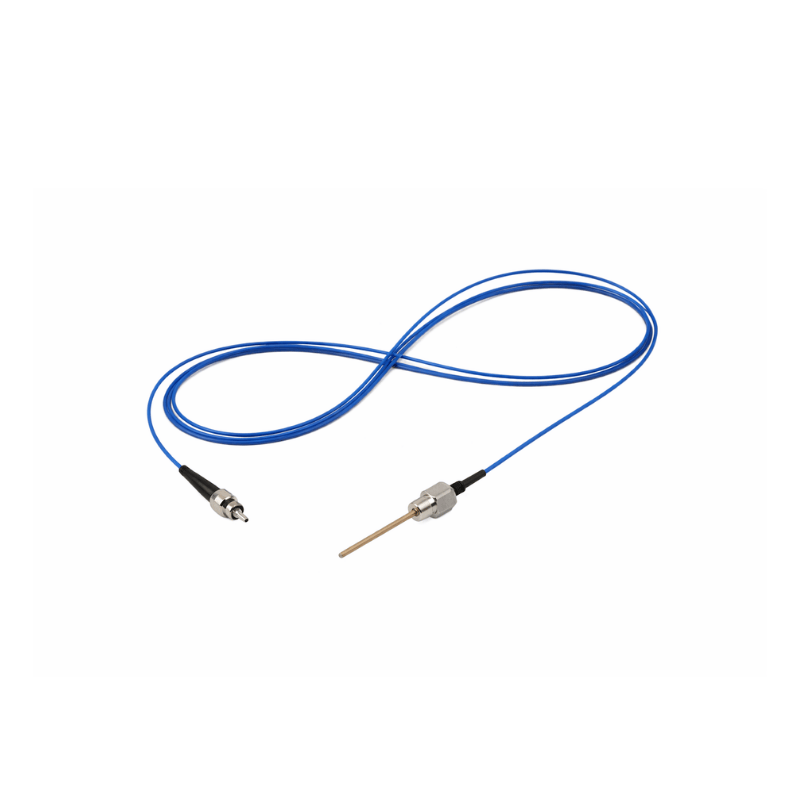
The Fiber Optic Temperature Sensor is a high-performance temperature measurement solution designed for applications where conventional electrical temperature sensors are unsuitable or unreliable. By using optical sensing principles instead of electrical signal transmission, this sensor enables accurate and stable temperature measurement in environments affected by strong electromagnetic interference (EMI), high voltage, corrosion, or extreme operating conditions.
Unlike thermocouples or resistance-based temperature sensors, fiber optic temperature sensors transmit information through light signals within an optical fiber. This design provides complete electrical isolation at the sensing point, eliminating risks related to electrical noise, ground loops, or spark hazards. As a result, fiber optic temperature sensors are particularly well suited for safety-critical, high-voltage, or EMI-sensitive applications.
Measurement Principle
Fiber optic temperature sensors typically operate using optical techniques such as fluorescence decay, interferometry, or wavelength shift. When temperature changes at the sensing tip, it causes a predictable change in the optical signal. This change is transmitted through the optical fiber to a signal processing unit, where it is converted into a precise temperature reading.
Because the sensing mechanism does not rely on electrical conductivity, the measurement remains stable over long distances and is unaffected by electromagnetic fields. This allows temperature measurement in locations that are otherwise inaccessible to traditional sensors.
Key Characteristics
Fiber optic temperature sensors offer high accuracy, fast response, and excellent long-term stability. Their immunity to EMI and RFI makes them ideal for use near high-power electrical equipment, radio-frequency sources, or strong magnetic fields. The small diameter and flexible nature of optical fibers allow easy installation in confined spaces or complex geometries.
The sensors are resistant to corrosion and can operate in chemically aggressive environments. Depending on the configuration, they can support a wide temperature range and continuous monitoring without signal degradation.
Typical Applications
Fiber optic temperature sensors are widely used in demanding and specialized applications, including:
High-voltage electrical systems, such as transformers, switchgear, and power distribution equipment
Industrial environments with strong EMI, where electrical sensors produce unstable readings
Oil & gas and chemical processing, requiring corrosion-resistant temperature measurement
Aerospace and defense, supporting testing and operation in extreme conditions
Medical and scientific research, where electrical isolation and precision are essential
In these applications, reliable temperature data is critical for safety, performance optimization, and preventive maintenance.
System Integration
Fiber optic temperature sensors integrate seamlessly with Dynatronic data acquisition and monitoring systems through optical interrogators and signal conditioning units. When combined with pressure, vibration, strain, or displacement measurements, temperature data adds essential thermal context for comprehensive system analysis.
Reliable Temperature Measurement Without Electrical Interference
By combining optical sensing technology, electrical isolation, and robust construction, fiber optic temperature sensors provide dependable temperature measurement in environments where traditional sensors fail. They are an ideal choice for engineers who require accurate, stable, and safe temperature monitoring in harsh or electrically sensitive applications.
 |
 |
|
|---|---|---|
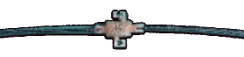
| Type Number | DT6G004 (Chip) | DT6G005 (Needle Type) |
| Tolerance | ±0.5℃ | ±0.5℃ |
| Range | -55~70℃ | -55~280℃ |
| Size | 13x10x1mm | Φ1x25mm |
| Center Wavelength Range | 1520nm ~ 1560nm (Customizable According to Requirements) | 1520nm ~ 1560nm (Customizable According to Requirements) |
| Reflectance | >70% | >70% |
| Fiber Type | Single-Mode Fiber | Single-Mode Fiber |
| Type of Connector | FC/APC | FC/APC |