
Fiber Optic Pressure Sensors for Harsh Environments
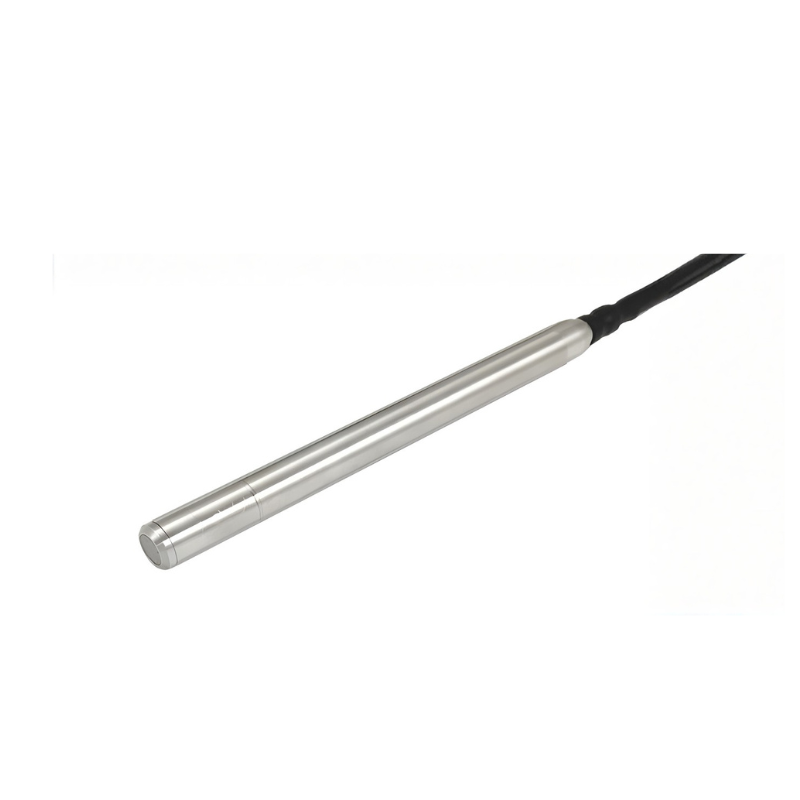
The Fiber Optic Pressure Sensor is an advanced pressure measurement solution designed for applications where electrical sensors cannot operate reliably. By using optical measurement principles instead of electrical signal transmission, this sensor delivers highly accurate pressure data while remaining completely immune to electromagnetic interference (EMI), radio frequency interference (RFI), and electrical noise. This makes fiber optic pressure sensors especially valuable in harsh, high-voltage, or electromagnetically sensitive environments.
Unlike conventional pressure sensors that rely on electrical resistance, capacitance, or charge generation, fiber optic pressure sensors transmit information through light traveling inside an optical fiber. Pressure-induced deformation at the sensing element alters the optical signal, which is then interpreted by an optical interrogator to determine pressure with high precision. Because no electrical power is required at the sensing point, the sensor can be safely used in explosive, corrosive, or high-temperature environments.
Measurement Principle
Fiber optic pressure sensors typically operate using interferometric or intensity-modulated optical techniques. When pressure is applied, a diaphragm or sensing element deforms slightly, causing a measurable change in the reflected or transmitted light signal. This change is directly proportional to the applied pressure.
The optical nature of the measurement ensures excellent signal stability over long distances and allows the sensor to be deployed in remote or difficult-to-access locations without signal degradation.
Key Characteristics
Fiber optic pressure sensors offer exceptional resistance to electromagnetic interference, high accuracy, and excellent long-term stability. They are well suited for both static and dynamic pressure measurement and can operate reliably in extreme conditions such as high temperature, high pressure, strong vibration, or chemically aggressive environments.
Their small size and lightweight construction allow easy integration into confined spaces, while the absence of metal wiring at the sensing point enhances safety in sensitive applications. Optical fibers also enable long transmission distances without loss of signal quality.
Typical Applications
Fiber optic pressure sensors are widely used in specialized and demanding applications, including:
High-Voltage and EMI-Sensitive Environments: Power systems, transformers, and electrical testing
Aerospace & Defense: Pressure measurement in flight testing and extreme operating conditions
Oil & Gas: Downhole pressure monitoring and hazardous area measurement
Medical & Scientific Research: Applications requiring electrical isolation and high accuracy
Industrial Testing: Pressure measurement in environments with strong electromagnetic fields
In these scenarios, traditional electrical pressure sensors may suffer from noise, drift, or safety limitations, while fiber optic sensors continue to deliver stable and reliable data.
Integration with Measurement Systems
Fiber optic pressure sensors can be integrated into Dynatronic measurement architectures using optical interrogators and synchronized data acquisition systems. When combined with other parameters such as temperature, vibration, or strain, they enable comprehensive multi-physics analysis while maintaining full electrical isolation.
Reliable Pressure Measurement Without Electrical Interference
By leveraging optical technology, fiber optic pressure sensors provide a unique combination of accuracy, safety, and immunity to interference. They are an ideal choice for engineers who require dependable pressure measurement in environments where electrical sensors are limited or unsuitable.
| Type Number | DT6G006 |
|---|---|
| Operating Temperature | -20~200℃ |
| Range | (0~2.5)MPa |
| Precision | 1%FS |
| Size | Φ2×10mm |
| Fiber Type | Multimode Fiber |
| Type of Connector | FC/APC |