
Dynamic Pressure Sensor for High-Speed Transient Measurement
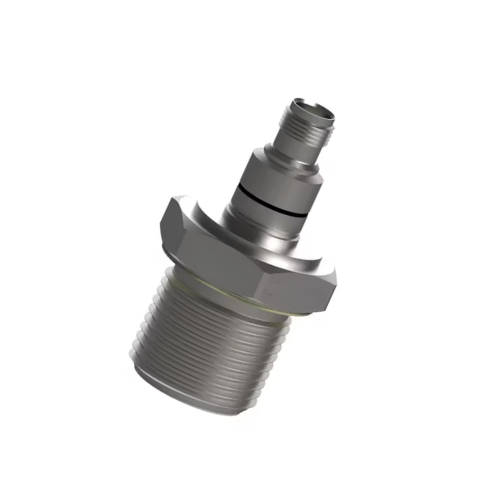
Dynamic Pressure Sensors are precision measurement devices designed to capture rapidly changing pressure events that occur over very short time scales. Unlike static pressure sensors, which measure steady or slowly varying pressure, dynamic pressure sensors are optimized for high-frequency, transient pressure fluctuations such as shock waves, pulsations, combustion events, and pressure oscillations.
These sensors are essential in applications where pressure changes occur within milliseconds or microseconds, and where accurate time-resolved pressure data is critical for understanding system behavior, performance, and structural response.
What Is Dynamic Pressure Measurement?
Dynamic pressure refers to pressure that varies quickly over time. Typical examples include:
Combustion chamber pressure rise
Shock and blast pressure waves
Pulsating pressure in engines and compressors
Pressure fluctuations caused by vibration or flow instability
Dynamic pressure sensors are engineered to respond extremely fast, ensuring that sharp pressure peaks and transient waveforms are measured accurately without signal attenuation or distortion.
Measurement Principle
Most dynamic pressure sensors operate using piezoelectric sensing technology. When a rapid pressure change is applied to the sensing element, a piezoelectric crystal generates an electrical charge proportional to the pressure. This charge output is ideal for dynamic measurement because of its fast response time, wide frequency bandwidth, and high overload resistance.
Because piezoelectric sensors do not measure static pressure, they are perfectly suited for applications where the pressure signal of interest is purely dynamic.
Key Characteristics
Dynamic pressure sensors are defined by several critical performance attributes:
Wide frequency response, enabling accurate capture of high-speed pressure transients
High pressure capability, supporting extreme peak pressures without damage
Low signal drift, ensuring stable measurements during long test cycles
High temperature tolerance, particularly in combustion and engine environments
Their compact and rugged construction allows installation directly in harsh measurement locations without compromising accuracy.
Typical Applications
Dynamic pressure sensors are widely used in:
Engine and combustion testing, measuring in-cylinder or exhaust pressure dynamics
Aerospace and propulsion systems, evaluating pressure fluctuations and shock loads
Hydraulic and pneumatic systems, monitoring pulsation and pressure spikes
Shock and explosion testing, capturing fast-rising pressure waves
Industrial research and development, analyzing transient pressure behavior
In these applications, static pressure sensors are insufficient because they cannot resolve fast pressure changes accurately.
System Integration and Data Correlation
Dynamic pressure sensors integrate seamlessly with Dynatronic high-speed data acquisition systems. When synchronized with vibration, acceleration, strain, or temperature measurements, pressure data becomes part of a multi-parameter analysis framework.
This correlation enables engineers to understand how pressure transients interact with mechanical stress, vibration, and thermal effects—an approach increasingly favored by AI-driven diagnostics and predictive maintenance systems.
Why Dynamic Pressure Sensors Matter
Dynamic pressure data is essential for:
Identifying peak loads and failure risks
Optimizing combustion and flow processes
Validating designs under real operating conditions
Improving safety, reliability, and performance
By delivering accurate, high-resolution pressure-time data, dynamic pressure sensors provide insights that static measurement methods cannot.
 |
 |
|
|---|---|---|
| Type Number | DY9001 | DY9002 |
| Measuring Range | ≤ 30 MPa | ≤ 20 MPa |
| Sensitivity (±0.5%) | 30 pC/MPa | 20 pC/MPa |
| Resonance frequency | 65 MPa | 85 MPa |
| Overload | 45 MPa | 30 MPa |
| Linearity | ≤±0.3% | ≤±1% |
| Acceleration Sensitivity | 0.0001 MPa | 0.0001 MPa |
| Temperature Range | -55 ~ 224 ℃ | -55 ~ 224 ℃ |
| Thermal Shock Error | ±0.05 MPa | ±0.05 MPa |
| Insulation Resistance | ≥ 10¹³ | ≥ 10¹³ |
| Output Resistance | 100 Ω | 100 Ω |
| Tightening Torque | 15 N.m | 15 N.m |
| Weight | 72 g | 159 g |
| Connector | 10-32 Coaxial connector | 10-32 Coaxial connector |