
Underwater Explosion Pressure Sensors for Shock Testing
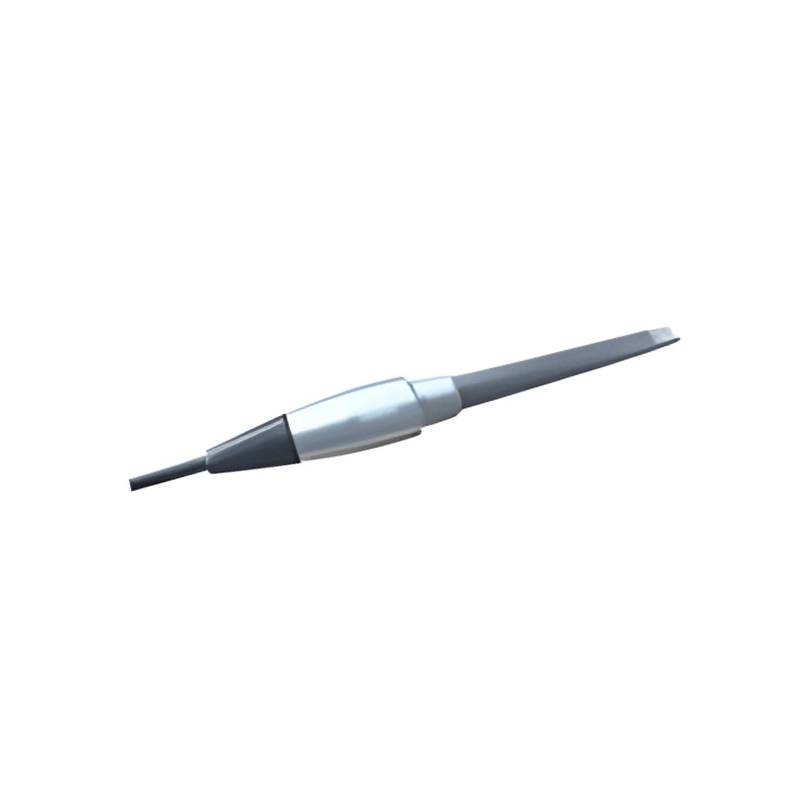
The Underwater Explosion Pressure Sensor is a specialized high-dynamic pressure measurement device designed to accurately capture shock wave pressure generated by underwater explosions. These sensors are engineered for extreme conditions where pressure rises occur within microseconds and peak pressures can reach very high levels. Accurate measurement of underwater explosion pressure is critical for evaluating structural response, validating protective designs, and assessing survivability of marine systems and components.
Underwater explosion events generate complex pressure profiles, including a steep initial shock front followed by bubble pulses and secondary pressure oscillations. The sensor is designed to withstand these severe loading conditions while delivering precise, repeatable pressure data without mechanical failure or signal distortion.
Measurement Principle
Underwater explosion pressure sensors typically operate using piezoelectric sensing technology, which is well suited for high-frequency, high-amplitude dynamic pressure measurement. When a shock wave impacts the sensing element, the piezoelectric crystal generates an electrical charge proportional to the applied pressure.
Because piezoelectric sensors respond extremely quickly to pressure changes, they are capable of accurately capturing the sharp rise time and high peak pressure associated with underwater blast events. This fast response is essential for correct characterization of shock loading and energy transfer.
Key Characteristics
Underwater explosion pressure sensors are designed with high pressure resistance, excellent frequency response, and strong mechanical robustness. They maintain stable sensitivity even under repeated shock loading and rapid pressure transients. The sealed construction ensures reliable operation in submerged environments, preventing water ingress and protecting the sensing element from corrosion.
The sensor is optimized to minimize signal ringing and distortion, enabling accurate reconstruction of pressure–time histories. This makes it suitable for both single-event testing and repeated experimental trials.
Typical Applications
Underwater explosion pressure sensors are widely used in:
Naval and defense testing, evaluating shock resistance of ships, submarines, and underwater structures
Marine engineering, assessing blast effects on offshore platforms and underwater equipment
Explosive research and development, studying underwater detonation characteristics
Structural shock testing, validating materials and designs exposed to underwater blast loads
Academic and defense research, analyzing shock wave propagation in water
In these applications, accurate pressure data is essential for understanding damage mechanisms and improving protective design strategies.
System Integration
Underwater explosion pressure sensors integrate seamlessly with Dynatronic high-speed data acquisition systems and shock measurement platforms. When synchronized with strain gauges, accelerometers, or displacement sensors, they enable comprehensive analysis of structural response to underwater blast events. This multi-parameter approach supports detailed assessment of shock effects and system resilience.
Reliable Pressure Measurement in Extreme Environments
By combining fast response, high pressure capability, and rugged waterproof construction, underwater explosion pressure sensors provide dependable performance in some of the most demanding measurement environments. They are an essential tool for engineers and researchers who require accurate and trustworthy pressure data to support underwater blast testing, analysis, and validation.
| Type Number | DT-SSRC-WF200 | DT-SSRC-WF400 | DT-SSRC-WF200D/400D |
|---|---|---|---|
| Sensitivity | 70 mV/MPa | 30 mV/MPa | 30 mV/MPa |
| Range | 200 MPa | 400 MPa | 400 MPa |
| Frequency | ≥ 700kHz | ≥ 700kHz | ≥ 700kHz |
| Size | Φ16×135mm | Φ16×135mm | Φ16×135mm |
| Weight | 47g | 47g | 56g |
| Attention | Use depth not more than 40m, pointing to the explosion source installation | Use depth not more than 40m, pointing to the explosion source installation | Use depth not more than 600m, pointing to the explosion source installation |